
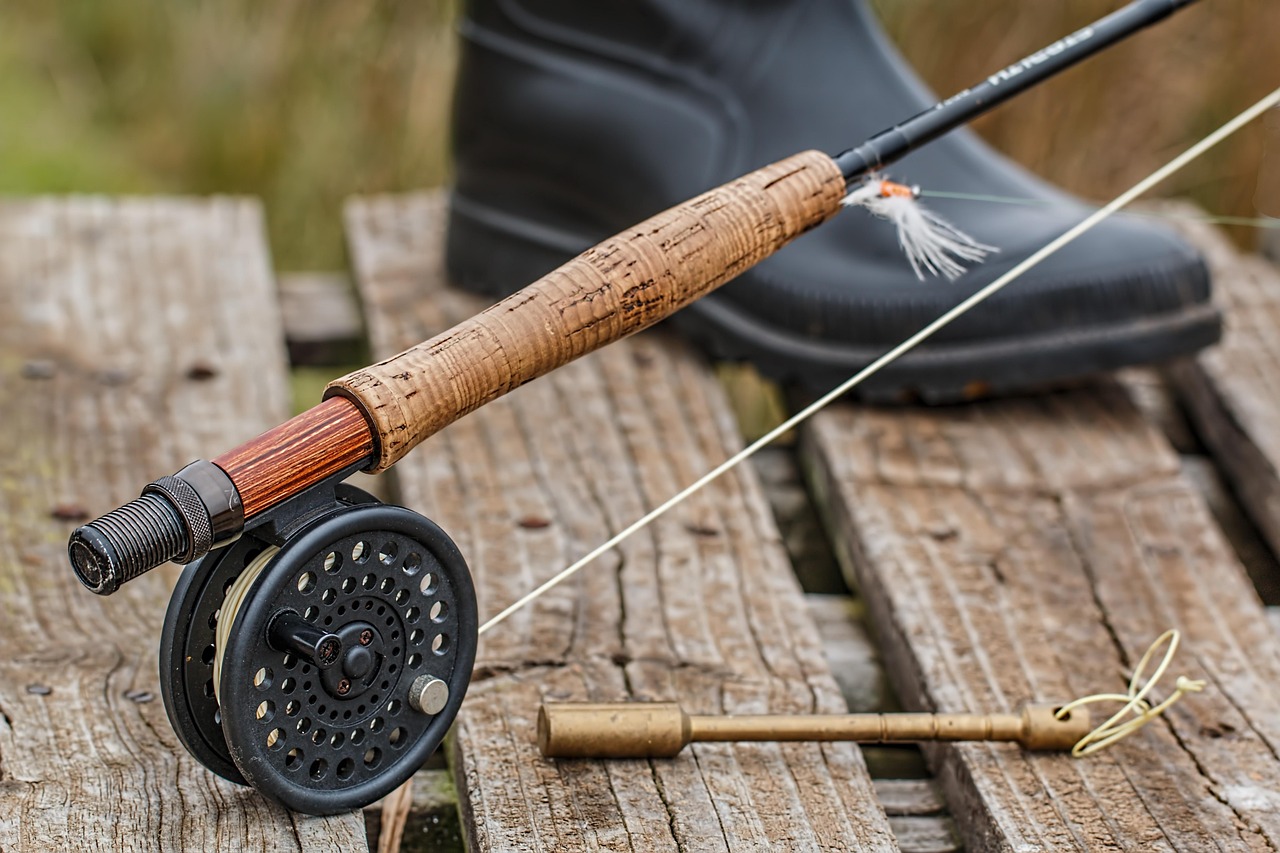
Fly fishing is a unique and rewarding form of angling, often praised for its artistry and connection with nature. Whether you’re new to the sport or looking to hone your skills, mastering fly fishing can provide a lifetime of enjoyment. Here are some practical tips to help improve your fly fishing experience.
**Understand the Basics**
Before hitting the waters, it’s crucial to grasp the fundamentals of fly fishing. This includes understanding the differences between fly fishing and other types of fishing, knowing the basic equipment such as rods, reels, lines, and flies, and learning how to cast. The overhead and roll casts are two essential techniques every fly fisher should master.
**Choose the Right Gear**
Selecting the right gear is vital in fly fishing. This choice can depend on many factors including water conditions, the type of fish you’re targeting, and personal preferences. Generally:
– **Rods**: Choose a rod suited for your skill level and target species. For beginners, a medium-action rod is often recommended as it offers a good balance between power and ease of use.
– **Reels**: Your reel should match your rod in terms of size and weight. It should also be durable enough to handle large fish if that’s your target.
– **Lines**: The line weight should correspond to your rod’s specifications. Additionally, consider whether you need a floating or sinking line based on where your target fish tend to feed.
– **Flies**: There is an immense variety of flies available. Research what kinds of insects are common in the area you’re fishing, as this will guide your selection.
**Learn To Read Water**
Knowing where fish are likely hanging out increases your chances of success. Fish typically seek areas where they can easily find food without expending too much energy. Look for ripples on the surface indicating water flowing around rocks or other obstacles; these areas often harbor insects and small fish.
**Practice Proper Casting Technique**
Efficient casting is more about skill than strength. Practice smooth controlled movements. Focus on timing: coordinate the movement of your forearm and wrist to create fluid motions without jerky stops or starts.
**Be Stealthy**
Fish have excellent senses that can easily detect shadows and vibrations. Approach spots quietly; avoid sudden movements or loud noises which could alert fish to danger.
**Adjust Your Technique Based On Conditions**
Adaptability is key in fly fishing:
– If it’s windy pick heavier line sizes that are easier to control.
– In clear water conditions use lighter colored lines to avoid detection.
– During different times of day consider how light affects visibility underwater adjust accordingly.
**Preserve Natural Habitats**
Respect for nature should be at heart every angler’s ethos. Practice catch-and-release whenever possible using barbless hooks for minimal harm to fish Always follow local regulations regarding season limits size restrictions etcetera
Learning fly fishing requires patience practice but each step brings greater appreciation scenic environments incredible moments peace out by water By keeping these tips mind you’ll build solid foundation upon which grow as angler Enjoy journey connecting with great outdoors through wonderful sport fly fishing
\ Get the latest news /
