Fishing is an activity that can be as simple or as complex as you choose to make it. The type of fishing tackle you select plays a crucial role in determining your success and enjoyment on the water. Whether you’re an amateur angler or a seasoned pro, here are some essential guidelines to help you choose the right fishing gear.
Understanding Rods and Reels
The rod and reel are the foundation of your fishing tackle. Selecting the appropriate combination depends largely on the type of fishing you plan to do.
1. Rods
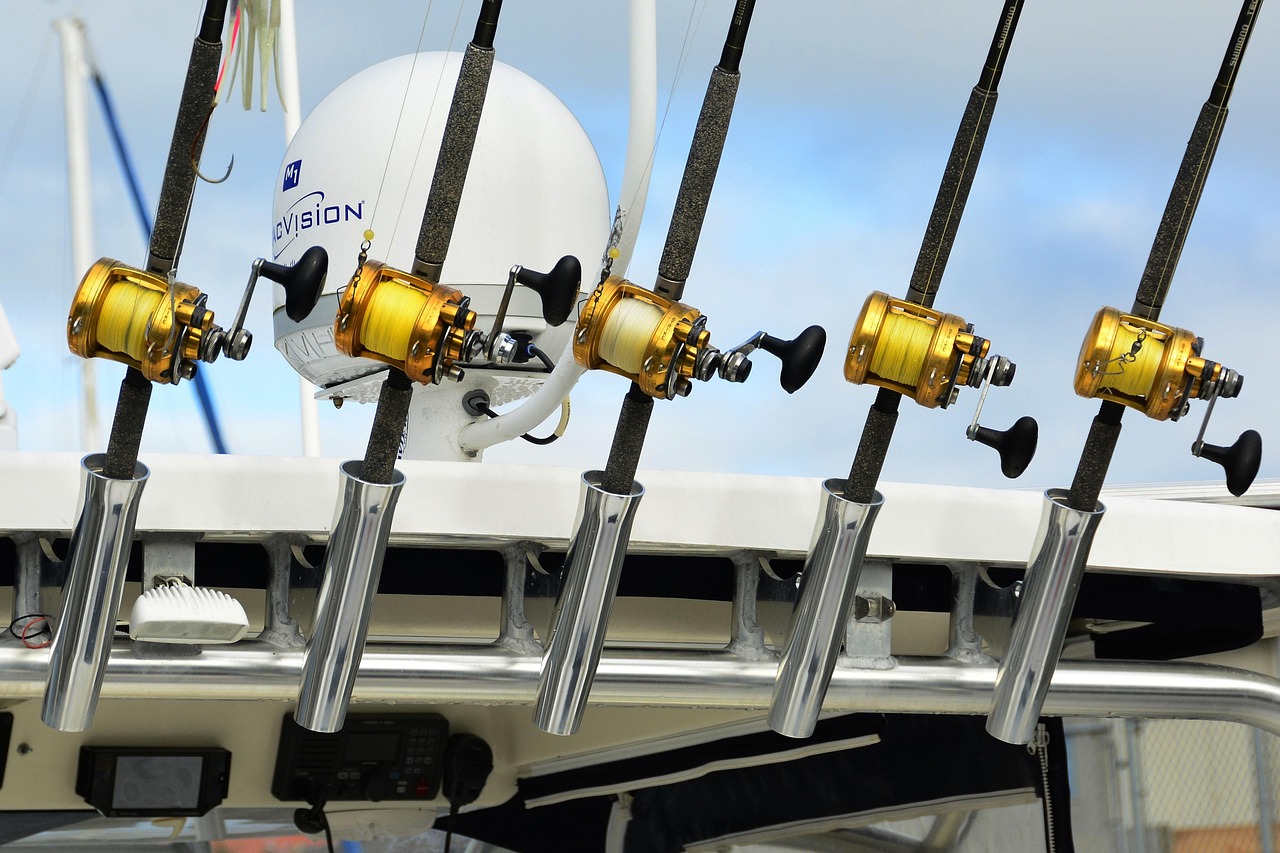
Fishing rods vary in length, material, action, and power. Short rods offer better accuracy for close-range casting while longer rods are ideal for distance casting. The material, typically graphite or fiberglass, affects the flexibility and durability of the rod. Action refers to how much of the rod bends when pressure is applied; faster action rods bend mostly near the tip whereas slower action rods bend down into the butt section. Power indicates how much force is needed to flex the rod, impacting what size fish it can handle.
2. Reels
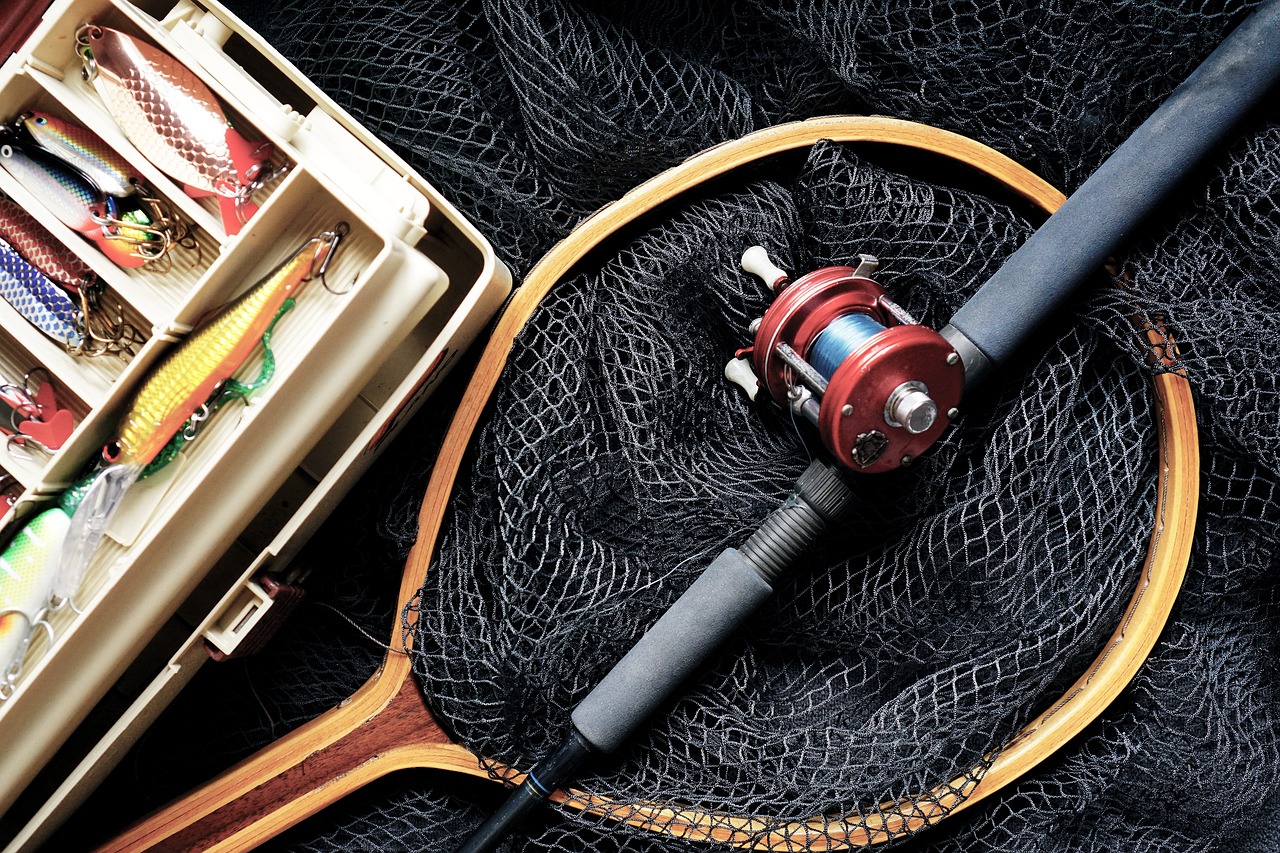
Choose a reel based on your preferred type of fishing; spinning reels are user-friendly and suitable for beginners while baitcasting reels offer more precision and control for experienced anglers targeting larger fish. Fly reels are specifically designed for fly fishing.
Choosing Fishing Line
The right fishing line should match your overall tackle setup and target species.
– Monofilament lines are affordable and stretchy, offering forgiveness during sudden pulls.
– Braided lines have no stretch and provide excellent strength per diameter, making them great for longer casts and heavy fish.
– Fluorocarbon lines are virtually invisible underwater and have good abrasion resistance but come at a higher price point.
Selecting Hooks
Hooks come in various shapes, sizes, and materials which should be chosen according to the fish species you’re targeting.
– Smaller hooks are generally used for small fish like panfish while larger hooks cater to bigger species such as bass or pike.
– Circle hooks are designed to hook fish in the lip corner which is perfect for catch-and-release since it minimizes harm to fish.
– Always ensure that your hooks are sharp; a dull hook can make catching fish unnecessarily challenging.
Choosing Baits and Lures
The choice between live baits or artificial lures depends on several factors including water conditions, time of year, type of fish species, among others.
– Live baits such as worms or minnows often attract more bites due to their natural appearance and scent.
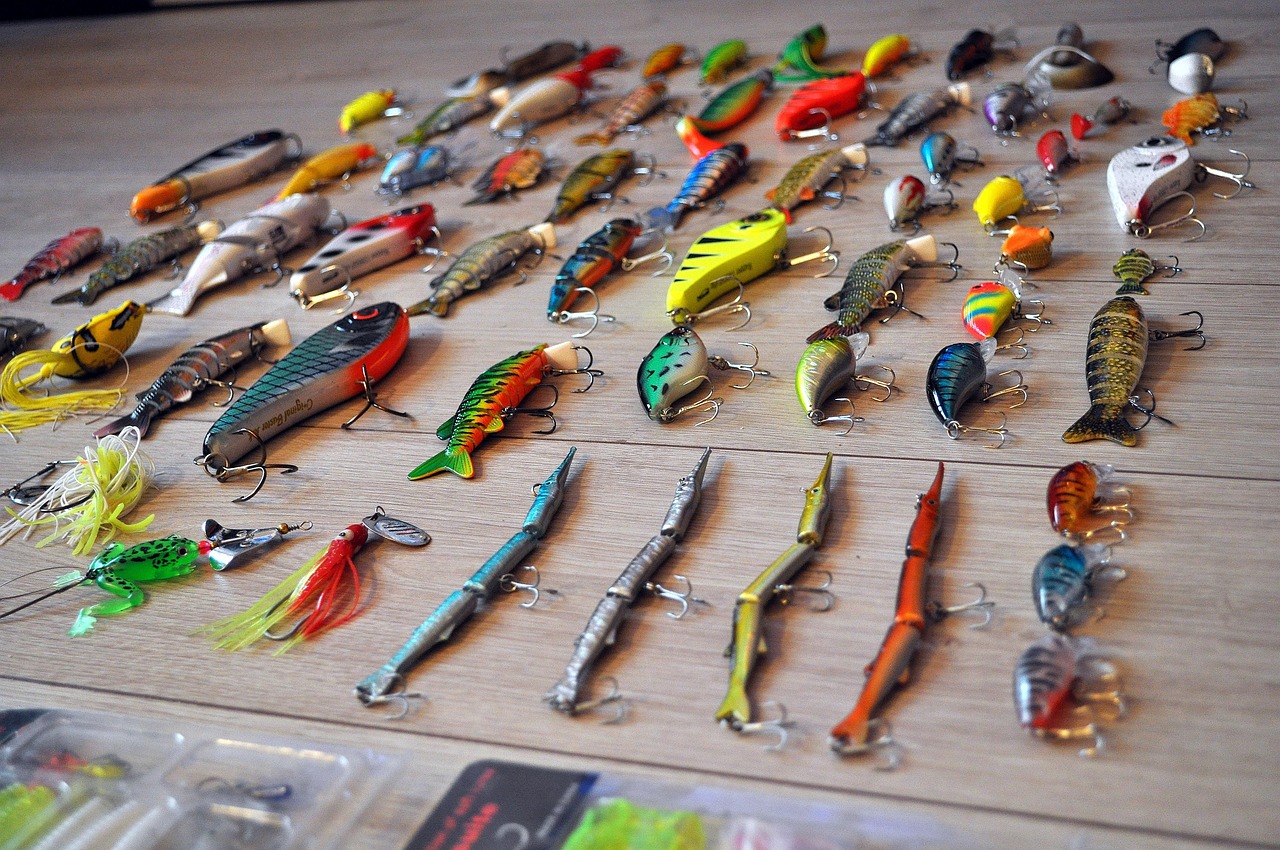
– Artificial lures like jigs spinners spoons crankbaits mimic prey movements through water which can be effective during certain conditions especially when target species are less active.
Additional Accessories
Other items such as tackle boxes lead weights swivels bobbers pliers etc., also need consideration depending on where how long frequently go fishing trips Knowing organize efficiently store these accessories can save time trouble during actual outing ensuring more enjoyable rewarding experience
Following these guidelines will help streamline process selecting right gear tailored specific needs preferences Remember that practice experimentation part learning curve so feel free experiment with different setups until find what works best Happy Fishing!
\ Get the latest news /