Saltwater fishing is a fascinating activity that attracts millions of enthusiasts around the globe. Whether you are casting your line off a pier, venturing out on a boat, or standing on a windswept beach, the allure of the sea and its vast range of fish species make every trip a unique adventure. This guide explores various aspects of saltwater fishing, from the essential gear to strategies for catching popular marine species.
Understanding Saltwater Fishing Environments
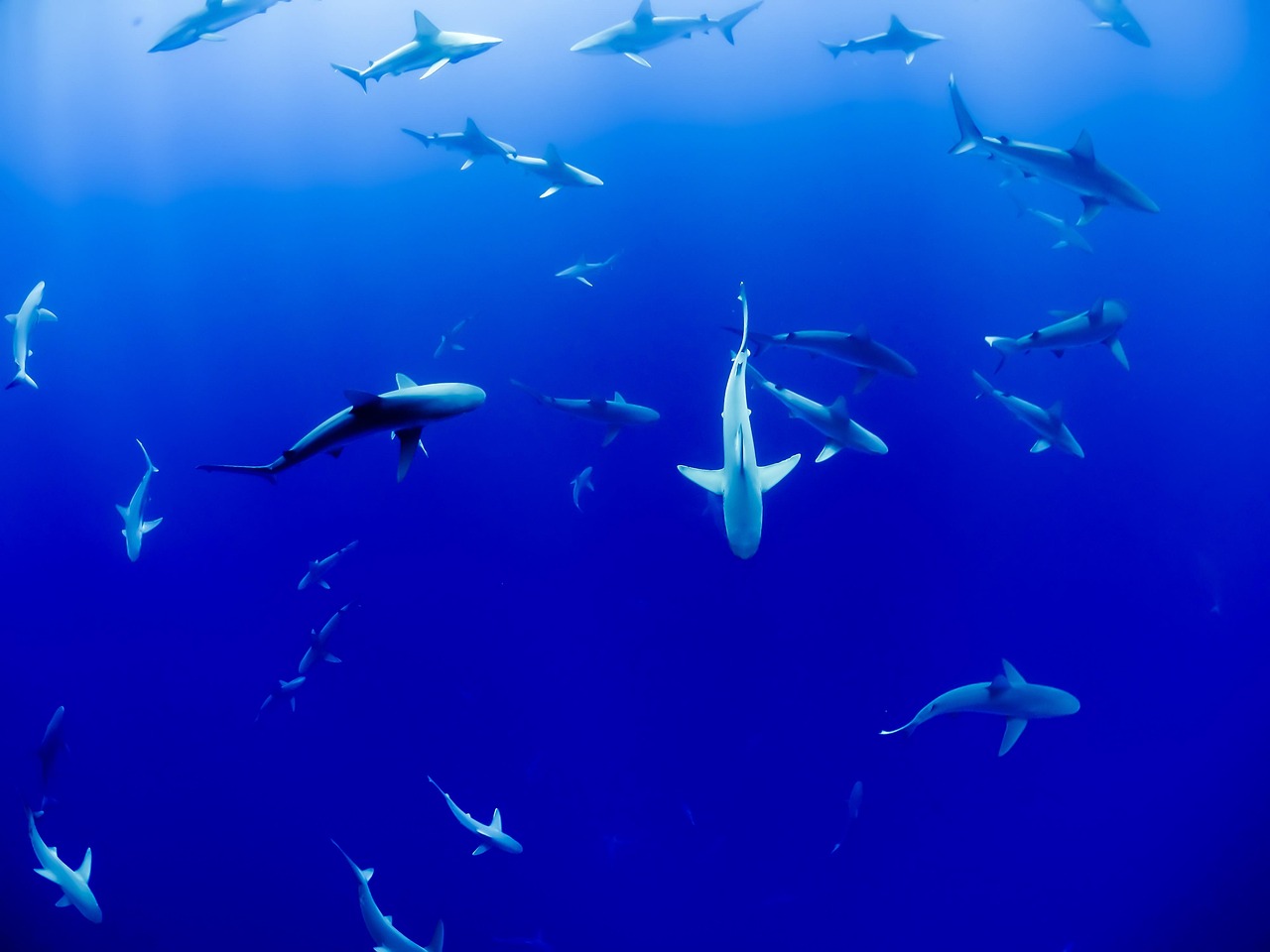
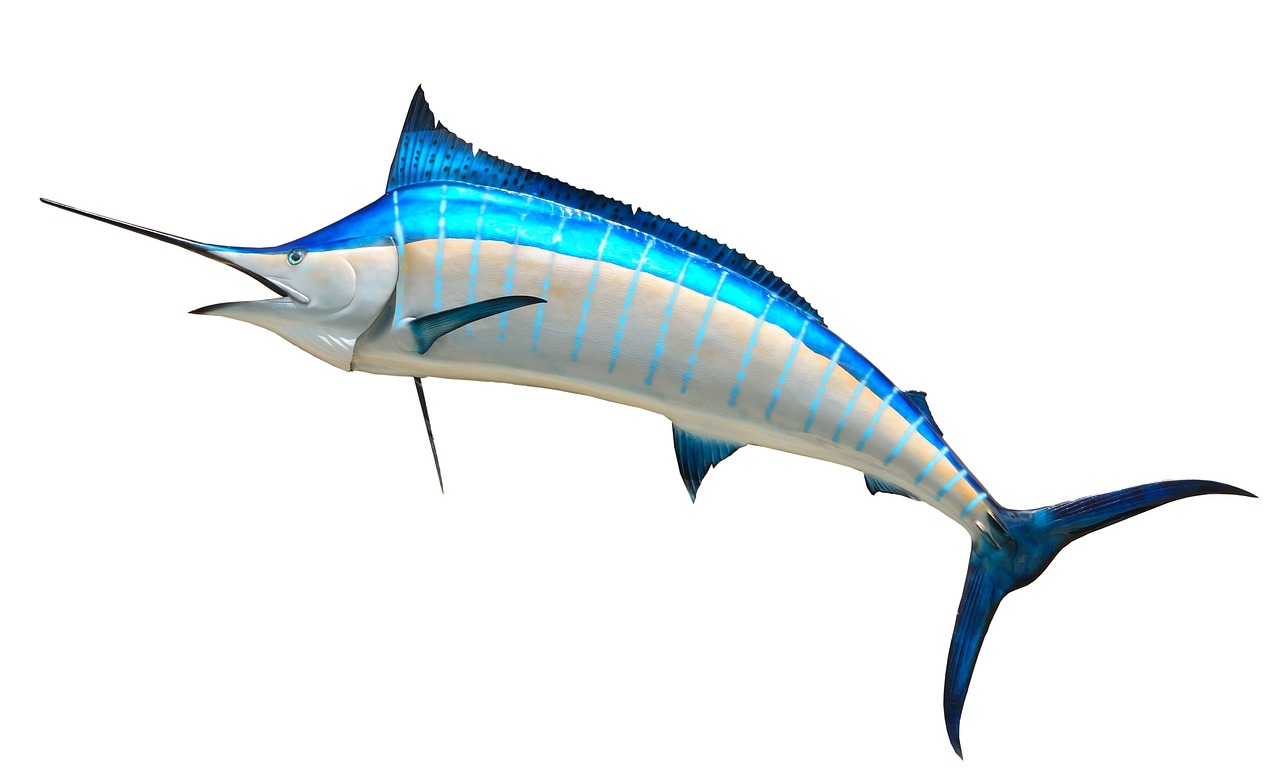
Saltwater environments are incredibly diverse, ranging from shallow coastal waters to the deep open ocean. Each zone has its own set of species adapted to specific conditions such as water temperature, salinity, and depth. Inshore fishing typically involves areas like bays, estuaries, and flats where fish like redfish, snook, and flounder can be found. Offshore or deep-sea fishing takes anglers into deeper waters far from land where they target larger species such as tuna, marlin, and sharks.
Essential Gear for Saltwater Fishing
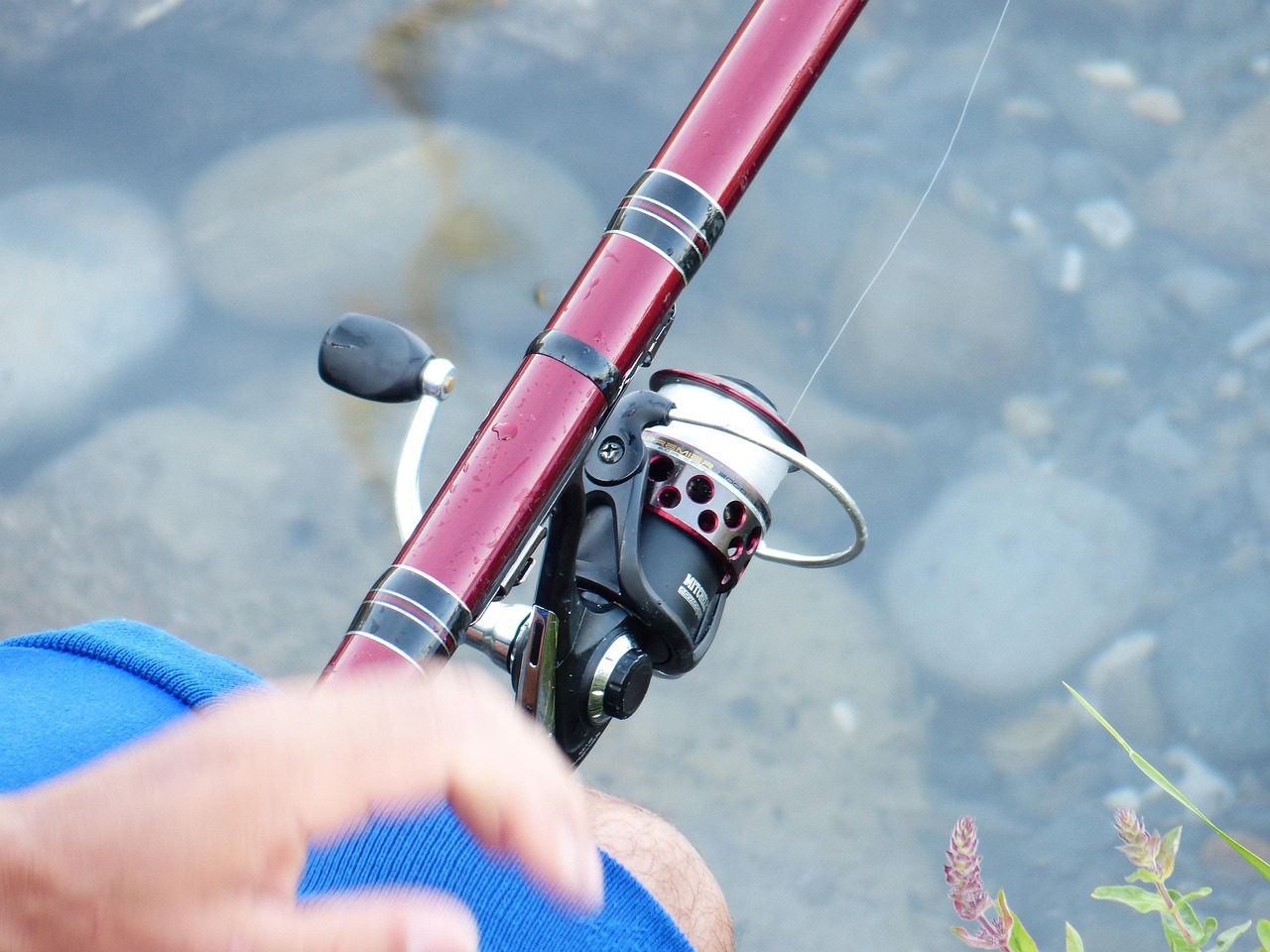
The corrosive nature of salt water means that your fishing gear needs to be robust and resistant to corrosion. A basic saltwater tackle setup includes:
– A sturdy rod and reel: Choose equipment appropriate for the type of fish you aim to catch; heavier setups are needed for larger fish.
– High-quality fishing line: Braided lines are popular for their strength and durability.
– Appropriate hooks: The size and type depend on the targeted fish species.
– Lures or bait: Live bait such as shrimp or crabs is effective for many species while artificial lures work well when mimicking prey fish.
The Importance of Tides
Tides play a crucial role in saltwater fishing. The movement of water caused by tides can influence where fish congregate. During high tides, many fish move closer to shore or into estuaries to feed which makes it an ideal time for inshore fishing. Conversely low tide can expose different feeding grounds and trap some species in tide pools both scenarios provide unique opportunities for anglers.
Fishing Techniques
Anglers use various techniques based on their target species and environment:
1 Cast and retrieve is common where lures or baited hooks are cast out and slowly reeled back in enticing fish with movement.
2 Trolling involves pulling a lure behind a slowly moving boat an effective way to cover large areas when searching for active predators.
3 Jigging uses weighted lures dropped vertically down into the water column then jerked up abruptly this mimics injured prey.
Popular Salt Water Fish Species
Each region offers different target species but some have universal appeal due to their fighting ability or taste including:
– Tarpon known for spectacular jumps
– Striped bass favored in cooler Atlantic waters
– Snapper found mostly around reefs
– Cod staple in colder northern seas
– Mahi Mahi vibrant fast-swimming fish seen in warmer oceans
Challenges Faced by Saltwater Anglers
Despite its rewards saltwater fishing presents challenges not least environmental factors such as weather changes which can drastically affect conditions at sea Other concerns include understanding local regulations regarding catch limits protected areas ensuring sustainable practices are followed
Conclusion
Saltwater fishing offers immense satisfaction through its challenges The thrill of landing a hard-fighting oceanic fish combines with learning about different marine habitats making each outing both educational exhilarating Whether you’re after relaxation excitement developing skill set this hobby promises enriching experiences every turn
\ Get the latest news /