Bass fishing is a popular pastime enjoyed by millions of enthusiasts across the globe. Whether you’re an experienced angler or a newcomer to the sport, understanding the nuances of bass fishing can greatly enhance your outdoor experience. Here are some key facts about bass fishing along with tips to help you make the most of your time on the water.
**Types of Bass**
The term “bass” refers to numerous species, but two of the most common targets for anglers are largemouth and smallmouth bass.
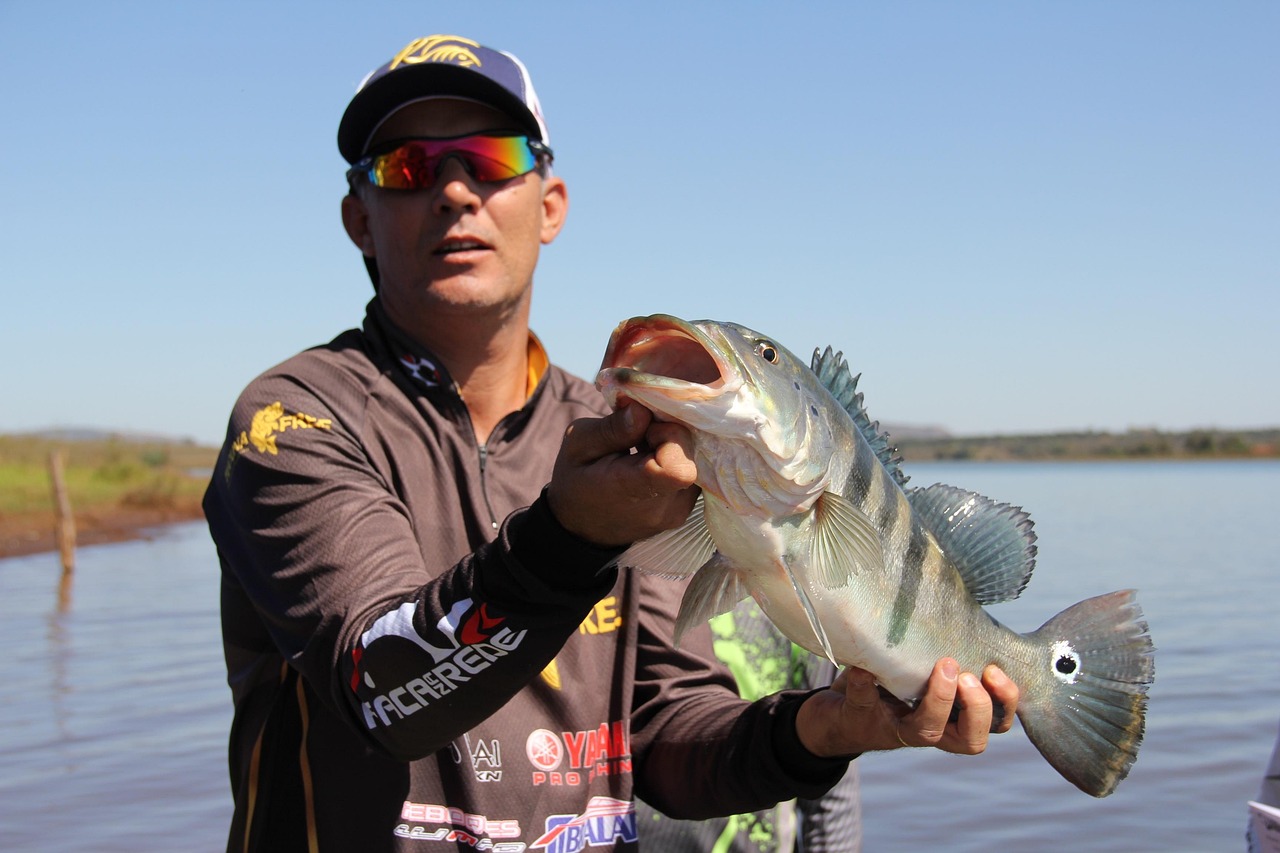
* Largemouth Bass* – Known for their aggressive strikes and sizable bodies, largemouth bass are found in a variety of habitats from shallow ponds to large reservoirs. They have a broader jaw that extends past their eye.
* Smallmouth Bass* – Typically found in cooler waters with rocky substrates, smallmouth bass are revered for their spirited fight once hooked. They have a smaller jaw that does not extend beyond their eyes.
**Habitat and Behavior**
Bass tend to prefer structure, such as logs, rock formations, and weed beds where they can ambush prey. Their diet consists mainly of smaller fish, insects, and crustaceans.
Water temperature plays a significant role in their behavior—largemouth bass especially are more active in warmer waters whereas smallmouth bass thrive in cooler conditions.
**Fishing Techniques**
The techniques for catching bass vary depending on time of year and water conditions but some popular methods include:
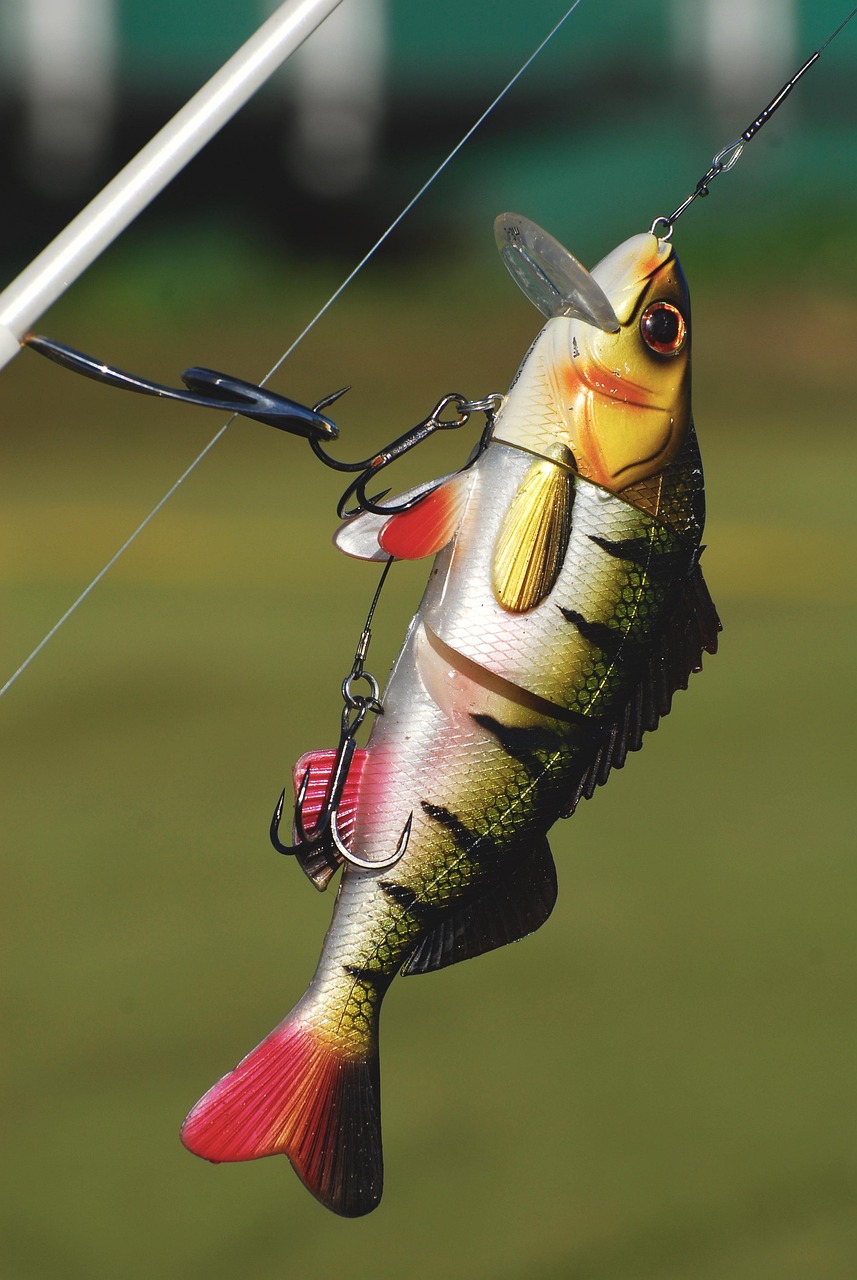
– **Casting:** Using lures like crankbaits or spinnerbaits can be effective for covering large areas.
– **Flipping and Pitching:** Ideal for targeting specific structures like submerged logs or vegetation.
– **Topwater Fishing:** Exciting when fish are active during early morning or late evening; involves lures that stay on the surface of the water mimicking prey like frogs or injured fish.
**Gear Essentials**
The right gear can make a difference:
– **Rods:** Graphite rods offer good sensitivity for detecting bites.
– **Reels:** Baitcasting reels are preferred by many seasoned anglers for control and accuracy while spinning reels are easier for beginners.
– **Line:** The choice between braided monofilament or fluorocarbon lines depends on water clarity and desired casting distance.
**Conservation Tips**
Practicing catch and release ensures future generations can also enjoy fishing these species:
– Use barbless hooks or crimp your barbs.
– Handle fish with wet hands to prevent removing their protective slime coating.
– Keep the fish in water as much as possible during release.
**Local Regulations**
Always check local regulations before going fishing as rules regarding season dates bag limits bait use size limits and other specific regulations vary widely from one location to another.
Whether you’re casting your line on a serene lake at dawn or competing in an adrenaline-pumped tournament knowing these basics about bass fishing can greatly enhance your experience. Remember each day on the water is an opportunity not just to catch fish but also to learn more about these fascinating creatures their habits habitats and how we can help preserve them for years to come.
\ Get the latest news /